Social media as an addiction
According to the Pew Research Center, 95% of U.S. teens use social media, and roughly one-third say they’re online “almost constantly.” The National Centre for Health Statistics found that about one-half of teenagers had 4 hours or more of daily screen time. Many teenagers are spending as many as eight hours a day on digital devices.
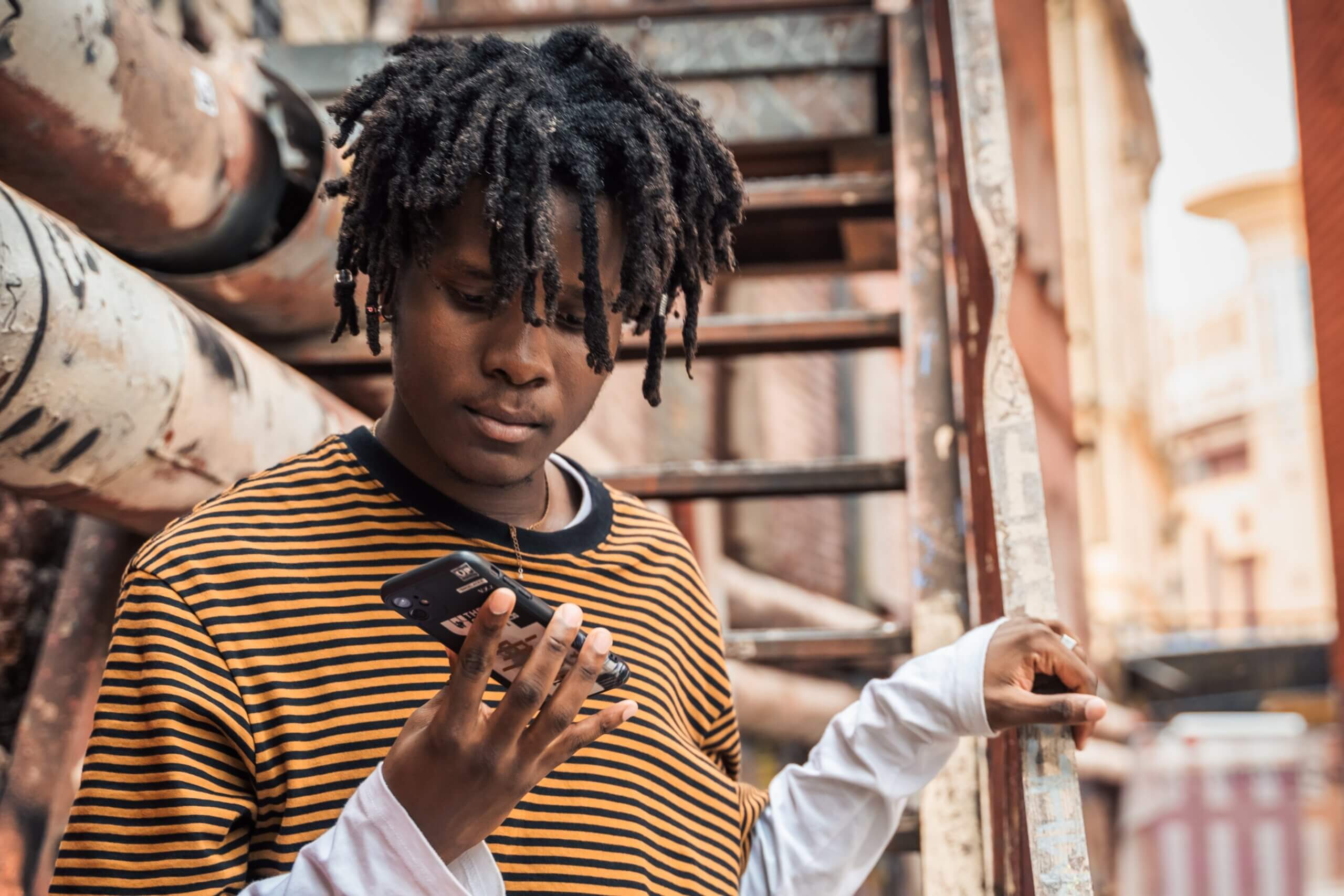
As a teenager who uses social media on a daily basis, I fall victim to this cycle of addiction more than I want to admit. Whenever I feel bored or upset, my first instinct is to check my phone for texts or scroll through my social media feed. Even though I know it’s not healthy, I don’t do anything about it afterwards except feel guilty about the hours I just wasted watching Instagram reels or TikTok.
It is an addiction. Social media is addictive.
The way our brains become addicted to social media is actually the same as the way people get addicted to heroin, meth, or alcohol. I recently learned that this is because of the dopamine effect.
What is the dopamine effect?
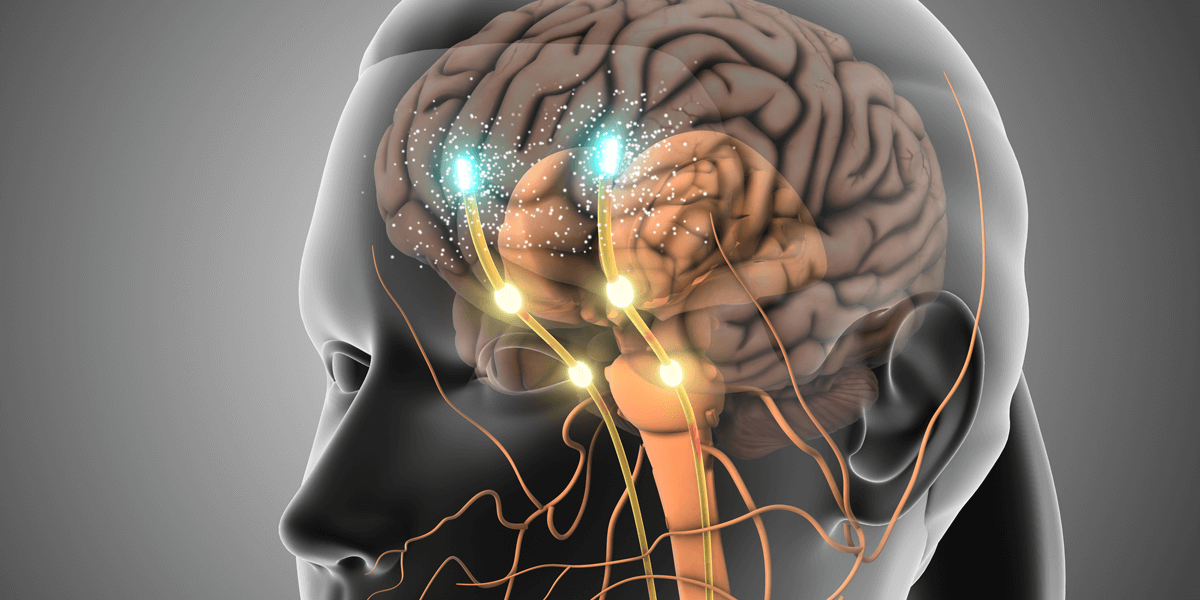
Social media does more than display information — it interacts with your brain as you scroll, react, and engage.
When you get a like, share, or comment, your brain releases dopamine, a “feel-good” neurotransmitter, as defined by Psychology Today. These small dopamine hits are fun, and they make you want more. As humans, we’re made to connect with others, and our brains release dopamine when we make human connections of any kind, which incentivizes us to do it again (Bruce Goldman – Stanford Medicine).
On top of that, the unpredictability of social media keeps us coming back — questions like “Who messaged me?” or “How many likes did I get?” create a cycle of anticipation that keeps us hooked, which is why checking your notifications can become so addictive. Dr. Jacqueline Sperling at McLean Hospital explains that when a behavior randomly gives a reward, we’re more likely to repeat it. The unpredictable possibility of a message or a like on a post keeps users hooked.
Negative Effects of Social Media Addiction
Constant stimulation from social media can take a toll over time. When someone depends on it for self-esteem or entertainment, their brain may become less sensitive to dopamine, the feel-good neurotransmitter. It becomes harder and harder to get that same mental reward. As a result, normal life can start to feel dull or unsatisfying, an effect sometimes called the “dopamine deficit state,” which is often linked to feeling down or even symptoms of depression.
Another one of the most harmful effects of social media addiction is constant comparison. Whether we realize it or not, we weigh our everyday lives against the polished, highlight-filled posts of others. Over time, this unfair comparison can lead to feelings of envy, loneliness, and low self-esteem. We often overlook the fact that most of what we see is carefully edited. Even knowing this doesn’t stop us from feeling inferior.
On top of that, there’s the emotional toll of FOMO (fear of missing out). When others share photos of an awesome trip, it’s easy to feel left out if you are stuck at home.
In 2023, the U.S. Surgeon General issued a public health advisory warning that adolescents who spend more than 3 hours per day on social media face double the risk of depression and anxiety symptoms compared to those who use it less.
However, it’s important to understand that social media doesn’t always cause depression for everyone.
While these platforms can fuel feelings of inadequacy, isolation, or anxiety, many individuals are drawn to them when they’re already feeling vulnerable, creating a cycle that just deepens their symptoms of depression rather than fixing them.
In my experience, social media wasn’t what caused my feelings of loneliness, but it definitely made it worse. When I was already feeling low, I’d find myself scrolling for hours, hoping it would help me feel more connected. But more often than not, it had the opposite effect. It became an addictive cycle: turning to social media when I was down only to end up feeling even worse.
Why do we turn to social media when we are depressed?
Every once in a while, opening your phone leads to a funny text from a friend or a shoutout on Instagram, and it makes you feel great. So when we’re bored or isolated, we long for that feeling of validation and connection again.
In other words, we crave that dopamine hit. Social media offers a sense of belonging and connection that can be really appealing when you’re feeling lonely.
The Thriving Centre of Psychology explains how social media also allows individuals to carefully curate their online persona, presenting themselves in a way that they believe will be well-received by others. This selective self-presentation can be a way to boost self-esteem, and it makes you feel a lot better about yourself.
For some, it can also be a way to escape or distract themselves from negative thoughts and feelings. Social media is an easy and cheap way to get that dopamine hit, which can momentarily make someone feel a lot better. However, connections made online are less fulfilling than in-person ones, and they can be damaging in the long run if they become the default coping mechanism.
A Harvard School of Public Health study found that “routine” social media use wasn’t actually associated with negative mental health outcomes, but “emotional” use (e.g. checking compulsively or for emotional reassurance) correlated with higher rates of anxiety and depression:
“Routine social media use—for example, using social media as part of everyday routine and responding to content that others share—is positively associated with all three health outcomes (Social well-being, Positive mental health, Self-rated health). Emotional connection to social media—for example, checking apps excessively out of fear of missing out—is negatively associated with all three outcomes.”
— Amy Roeder, Harvard
When social media becomes a crutch, a comparison tool, or a default place to seek validation instead of connection, it becomes an issue.
Here are some red flags of social media addiction to watch for:
- Feeling consistently sad or hopeless after using social media
- Pulling away from real-life friendships or skipping in-person experiences
- Loss of interest in hobbies or things you used to enjoy
- Fatigue or disrupted sleep patterns, especially after late-night scrolling
- Negative self-talk triggered by what you see online
- Basing self-worth on likes, shares, or online engagement
- Spending hours on the apps without realizing it and making no effort to stop
How do I escape the addictive dopamine effect cycle?
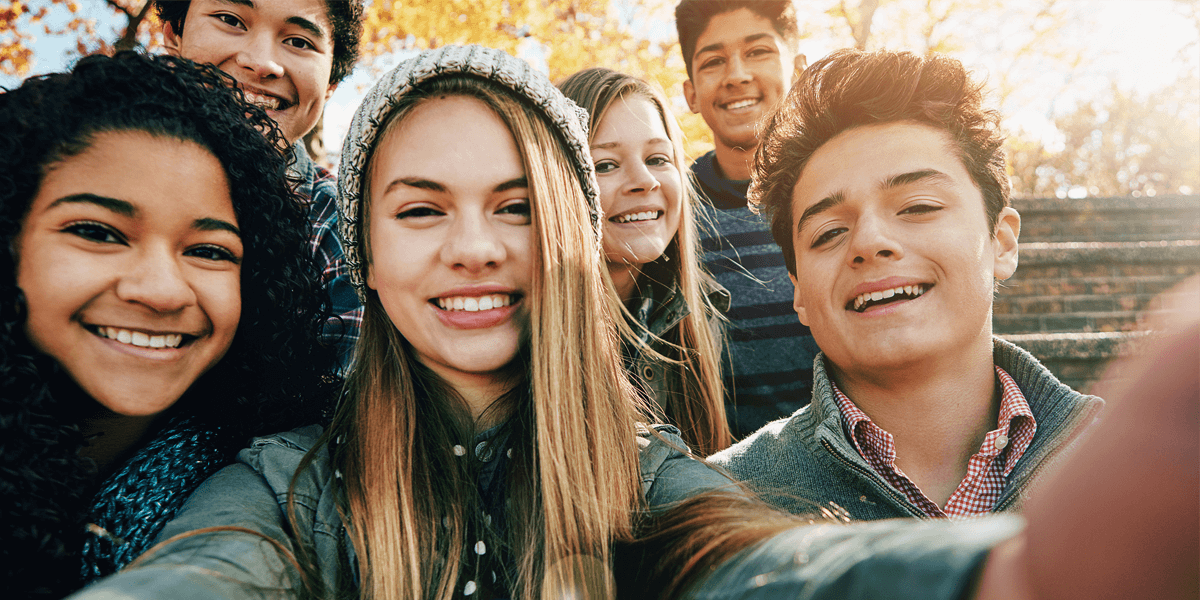
Awareness is the first step. You don’t have to delete all of your accounts — you just have to use them more intentionally.
The key is to identify when you turn to social media as a default coping mechanism for negative emotions, and instead prioritise in-person connection and activities to help improve your mental health.
Use social media to enhance, not replace, real-world connections. Make plans with friends to meet up in person, or jump on a call with a long-distance buddy. Use social media as a tool to keep in touch with loved ones between meetups rather than as your primary source for social connection.
Social media can support your passions. It’s a great place to express yourself and meet like-minded people, giving you a space to share what you love and educate others on things you care about. It’s also perfect for learning new things, as there are infinite hours of YouTube tutorials. Take the opportunity to learn something new or explore an existing hobby. Using social media to enhance a passion outside of your screen is a great way to balance your dependence on technology.
If the amount of time you spend scrolling becomes an issue, begin taking accountability for your screen time. Set time limits on your social media apps on your phone. Designating specific hours for screen time can help you get into a healthy routine, making it easier to stay accountable.
For more tips, check out our article on how to use social media to help your mental health.